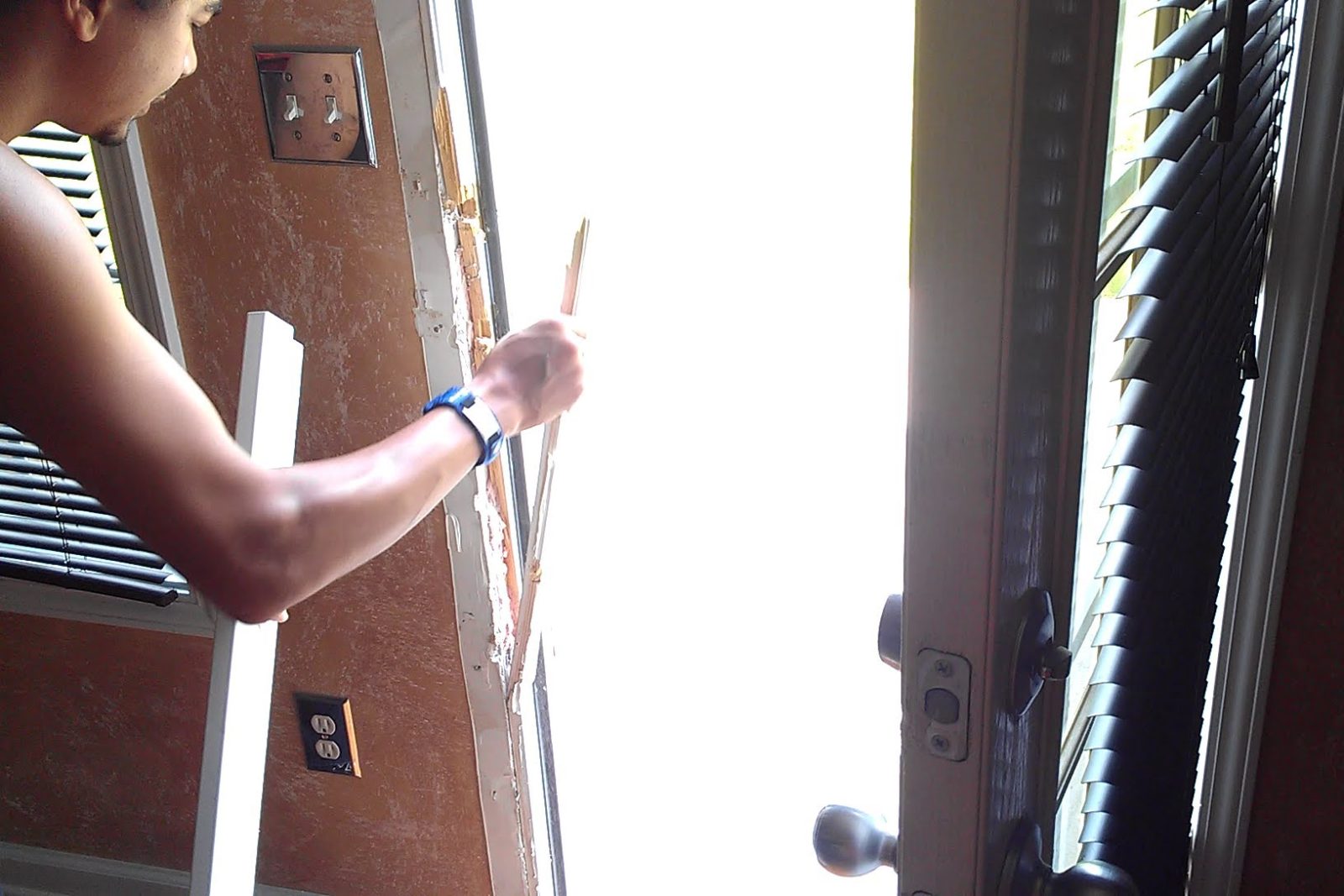

The call usually comes between four and six in the morning. Alarm company, or a neighbouring business owner, or a police officer standing in your doorway. The front of your shop is open to the street and you are twenty minutes away with no idea what you are walking into.
What you do in the next twelve hours determines whether this is a bad day or a bad month. The businesses that recover fastest are not the ones with the least damage — they are the ones who handled the sequence in the right order.
Before you leave the house
Call the police if nobody has, and get an incident number. You will need it for insurance and, in many cases, for the repair invoice to be accepted as claim-related.
Then call a board-up service. Do this before you see the damage, not after. Every hour an entrance sits open is another hour of exposure to weather, to a second entry, and to liability if someone wanders in and hurts themselves on broken glass. A crew that can be there in an hour is worth more than one that quotes ten dollars less and arrives at noon.
On arrival: document before you touch anything
Photograph everything before a single piece of glass is swept.
- Wide shots of the storefront from the sidewalk, showing the whole opening
- Close-ups of the point of entry — the broken lite, the pried stile, the failed lock
- The lock and latch hardware specifically, including any tool marks
- The interior: what was disturbed, what is missing, where the glass landed
- A shot with a timestamp visible, or check that your phone metadata is on
Insurers reject or reduce claims over missing documentation more often than over the claim itself. Ten minutes of photographs is the cheapest insurance inside the insurance.
Do not clean up yet
The instinct is to make it look normal again. Resist it until the police have attended and you have your photos. Sweeping away glass can remove the evidence that establishes forced entry, which is exactly the fact your policy hinges on.
Securing the opening properly
There are two levels of response and they are not interchangeable.
Temporary board-up
Plywood over the opening, screwed into the frame, ideally with the frame protected so the emergency fix does not itself damage the storefront. This buys you time and it is the correct first move at 5am. It is not a repair. It is also visibly a broken storefront, which affects walk-in traffic and signals to anyone watching that the location is currently soft.
Same-day permanent repair
Where possible, get the glass and hardware replaced the same day. Tempered glass in common storefront sizes is often stocked; custom or laminated units may take longer. If the door itself was pried, the stile or the frame may be deformed, and that is a repair rather than a glass swap.
A crew running 24-hour burglary repairs should be able to do both stages — secure it now, return with glass and hardware the same day. Asking that question when you call saves a second vendor search at 2pm.
The part most owners miss: the lock is now compromised
If entry was made by defeating the lock rather than the glass, replacing the glass solves nothing. The same method will work again next week.
Have the locking hardware assessed, not just reinstalled. Common findings after a forced entry:
- The deadlatch was never engaging — a worn or misaligned strike lets the latch be slipped with a shim in seconds
- The door had dropped, so the throw was only catching partially in the keeper
- The cylinder had no security pins and was picked or bumped rather than forced
- The frame anchor gave way before the lock did — the hardware was fine, the frame around it was not
Any of those is a repeat invitation. Fixing the visible damage while leaving the underlying weakness is the most common reason a business gets hit twice in a season. Book proper emergency door repair that includes a hardware assessment, not just a glass replacement.
Specifying the replacement glass
If you are replacing the glass anyway, this is the moment to reconsider the spec.
Standard tempered glass is strong against impact but shatters completely when it goes, leaving a fully open hole. Laminated glass has an interlayer that holds the fragments together — it still breaks, but it stays in the opening and takes considerably longer to get through. For a street-facing entrance that has now been targeted once, the upgrade is usually worth the difference, and some insurers recognise it.
Talk it through when you order the storefront door glass, because the decision has to be made before the unit is cut.
Closing out the claim
Keep every invoice — board-up, glass, hardware, cleanup, and any lost-stock inventory. Get the repair documented with before-and-after photographs from the contractor. Submit the incident number with the claim. And write down the timeline while it is fresh, because adjusters ask for it weeks later when nobody remembers what time the alarm went off.
Frequently asked questions
Should I board up if the glass is only cracked, not broken through?
If the pane is compromised it will fail, usually at the worst moment. Cracked tempered glass in particular can let go spontaneously with a temperature change. Secure it and replace it.
Will my insurance cover the emergency board-up?
Most commercial policies treat reasonable emergency mitigation as covered, and many require you to mitigate further loss. Keep the invoice and the incident number. Confirm the specifics with your own broker rather than assuming.
How fast can a storefront door realistically be back to normal?
Secured within a couple of hours is a reasonable expectation in the GTA. Fully repaired depends entirely on glass availability and whether the frame was damaged — a straightforward tempered replacement is often same-day, a custom laminated unit or a deformed frame is not.
Is it worth upgrading the lock at the same time?
Almost always. The labour is already on site and the door is already open. Doing it as a separate visit later costs more and leaves a window of exposure in between.
Do I need to be there for the repair?
For the initial securing, someone should attend or authorise access. For the follow-up repair, a manager with authority to approve the hardware spec is enough — but do not let the glass get ordered without someone confirming what is going in.